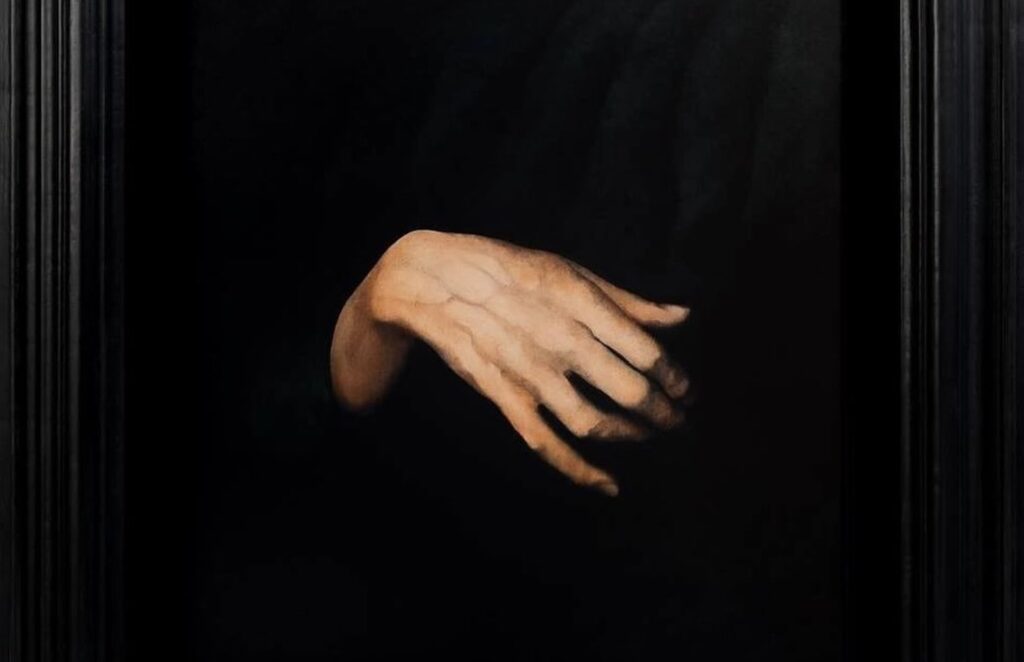
Uncollective supports the work of artists and curators to help create stronger art communities through experimentation, collaboration, and international engagement.
Uncollective is an international open call for contemporary visual artists, conceived to promote emerging practices and to strengthen critical dialogues between artists and curators.
The selection involves five independent curators, each tasked with identifying and selecting the work of one artist. The selected works will be presented in a concluding exhibition held in Venice (Italy) for the entire month of November 2026.
The curatorial approach favors proposals and research relevant to contemporary visual and conceptual practice. Each curator will also produce a critical introductory text for their selected artist; these texts will be published in the exhibition’s general catalogue, which will serve as the initiative’s critical record and archive.
Uncollective offers selected artists organizational support for the transport and installation of works in Venice, as well as visibility through a dedicated communications program and guided visits. The call is open to national and international applications.
Uncollective was founded with the aim of challenging the inflexibility of the traditional artistic world, introducing new visions and experiments, shaping the voice of the curatorial field and art organizations globally.
It is a platform that is evolving by looking to the future to perceive the signs of change, welcoming the diversities of the contemporary world. Complex projects, in diversified languages based on cultural areas of reference, generate new and innovative content, thanks to artistic production coming from all over the world.
Uncollective
5 Curators
for
5 Artists
UNCOLLECTIVE
art@uncollective.org
Venice – Italy
Vat. IT03064150307
Uncollective 2026
Curators list
We present the list of the 5 curators who will take part in the selection of the 5 artists. Each curator brings expertise, critical sensitivity and a unique vision that will enrich the process of choosing and showcasing the works, thus contributing to a thorough and qualified evaluation and selection process.
Nicoletta Castellaneta
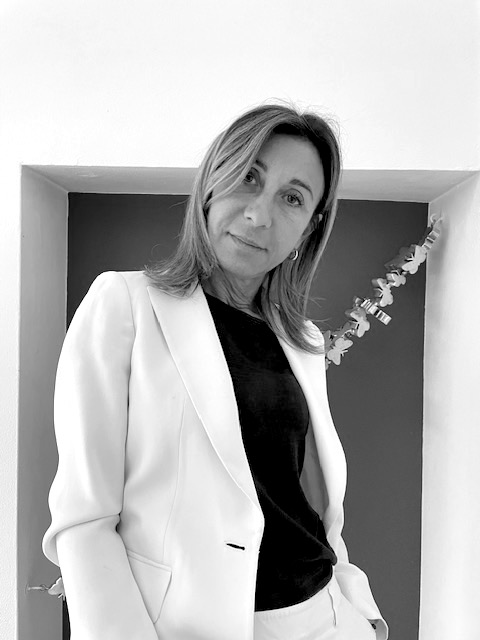
The curatorial practice of Nicoletta Castellaneta is based on the idea of the exhibition as a critical tool, a relational space in which languages, temporalities, and materials interact to generate new meanings. She conceives curating as the construction of a dynamic field between artists, contexts, and audiences.
As Director of Fondazione Rivoli2 in Milan, she coordinated the entire exhibition program and oversaw the production of its catalogues, developing a platform dedicated to experimentation and critical dialogue. Projects such as IM – Inside the Matter (2015) explored the dialogue between art and design through material processes, while Mario Sironi. L’Annunciazione (2014, Palazzo Cusani, Milan) created a temporal tension between a twentieth-century preparatory cartoon and contemporary video installations, questioning the persistence and transformation of the image over time.
In Homo Faber – Il ritorno del fare nell’arte contemporanea (Castello Sforzesco, Milan), she investigated the renewed relevance of craftsmanship as both resistance and innovation within contemporary practice. Drawing as a cognitive and perceptual tool was central to Sul Disegno, where the act of drawing emerged as a threshold between visibility and memory.
She also curated and coordinated a three-year exhibition cycle for Banca Akros (BPM Group), including projects such as EX Novo and Quarta Dimensione, redefining exhibition formats within corporate environments and expanding the relationship between contemporary art and non-traditional spaces.
Across museum, institutional, and site-specific contexts — including Fortezza di Exilles, Museo Messina, and Catucci Gallery in Berlin — her work engages with the tension between memory and transformation, permanence and transience.
She conceives exhibitions as architectures of thought: structured yet open systems capable of activating questions and inviting audiences to become active participants in the interpretative process.
Leila Topić
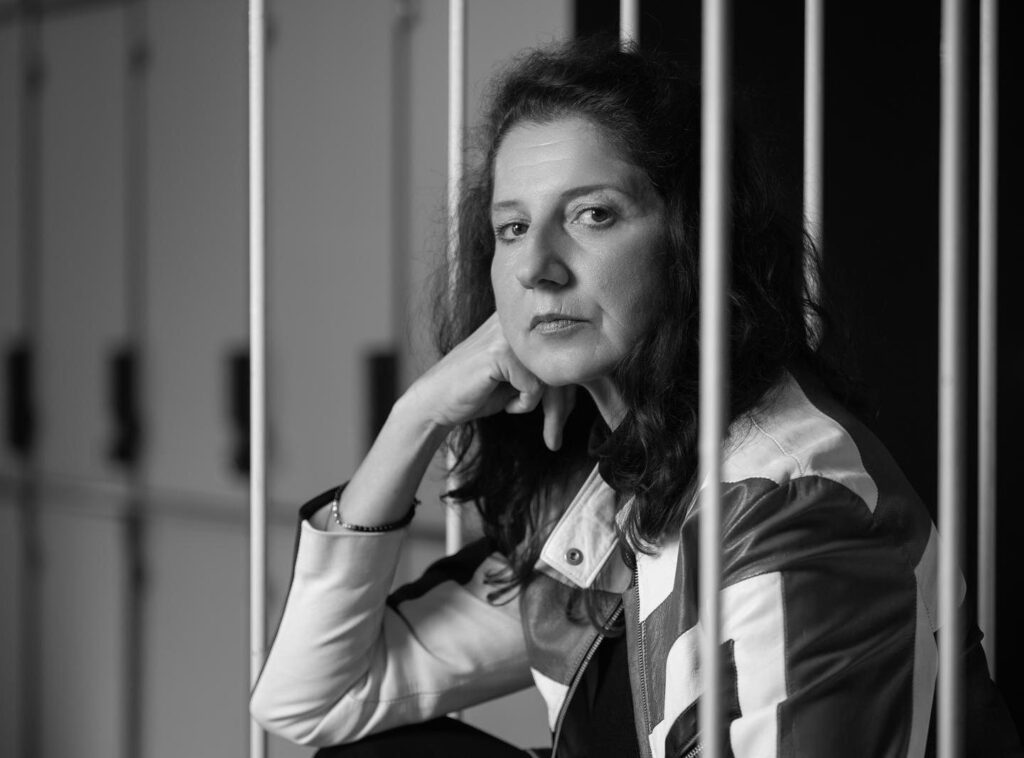
Leila Topić is a museum advisor and curator at the Museum of Contemporary Art in Zagreb. Her practice examines the destiny of the image — from photography and film to expanded cinema and exhibition environments — in a time of relentless visual acceleration. She is interested in how images circulate, exhaust themselves, mutate, and occasionally recover meaning within conditions of digital excess and institutional framing.
Through monographic and thematic exhibitions, including the long-term platform Cinematographies of Resistance, she approaches curating as a form of critical inquiry. For her, the exhibition is a space where spectatorship is negotiated rather than assumed, and where the moving image can become a site of ethical tension, political imagination, and embodied perception.
Her research engages time-based art, collective practices, and art’s emancipatory potential within contemporary society. Even in an era shaped by algorithms and overexposure, she continues to believe that art can still interrupt habit, reorganize perception, and open space for thought — though she considers a measure of doubt an essential curatorial tool.
Sveva Manfredi Zavaglia

Sveva Manfredi Zavaglia is a Senior Art Director and Project Manager specialising in International institutional Cultural initiatives, as well as a Curator of Contemporary Art, Cultural Marketing Specialist, Advisor and Author.
Her work focuses on internationalisation and cultural affairs, with institutional recognition in Italy and across Europe. She has conceived and developed more than 130 multidisciplinary projects connecting institutions and cultural organisations across Europe, Africa, the Middle East and Asia.
Through the promotion of cultural diplomacy between public and private institutions, she develops creative frameworks spanning visual arts, design, transmedia practices and cultural heritage, fostering meaningful and sustainable international cultural exchange.
Giorgio Drasler
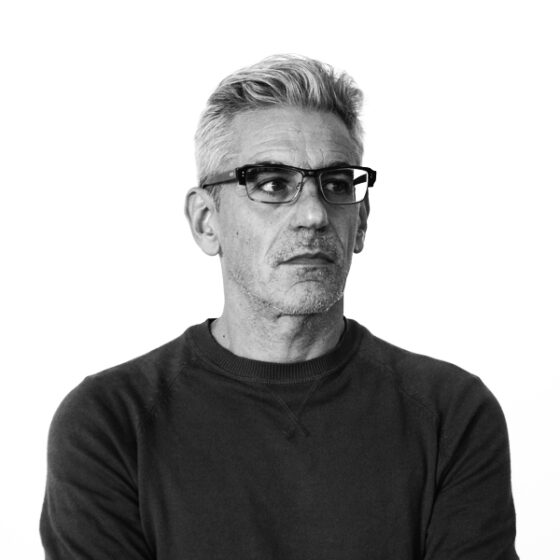
In work and professional experience of Giorgio Drasler, design is not an exercise in style: it is a method for interpreting the world. A designer, engineer, independent curator, art director, and analyst of the language of objects, Drasler navigates the fluid landscape between art and design with the ease of someone who considers form an extension of thought.
His research spans product design, art direction, interior design, graphics, and visual communication, but what sets him apart is his ability to transform each project into a reflection on the relationship between material, function, objects, and identity. The objects he designs—or interprets—are not simply aesthetic solutions: they are micro-narratives, symbolic systems that speak of use, memory, space, and culture.
His practice is nourished by collaborations with artists, businesses, and creative entities, where Drasler often takes on the role of visual director, orchestrating materials, surfaces, colors, and signs in a balance that combines technical rigor and poetic sensibility. His gaze is that of an engineer who has chosen the path of imagination: analytical, yet capable of capturing the emotional vibration of forms.
Sarah Palermo
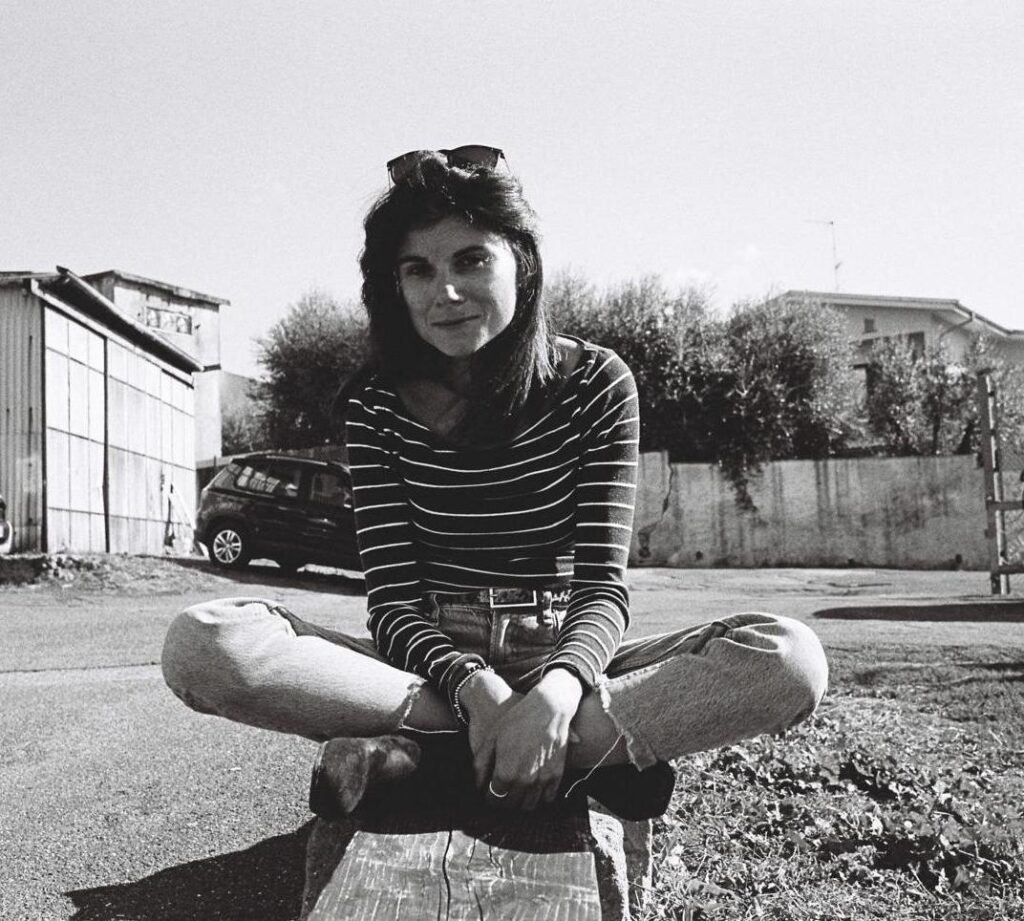
Sarah Palermo is an esteemed Italian art historian, curator, and scholar whose multifaceted work elegantly bridges visual arts, sociology, anthropology, and cultural studies. From the outset of her academic journey, she immersed herself in exploring the intricate intersections of art with sociological and photographic contexts, analyzing how visual media capture the pulse of human experience. Her research goes beyond aesthetic forms, uncovering how artistic expressions reflect, critique, and shape broader societal dynamics—from urban alienation to collective memory—often leveraging photography as a powerful medium for documentation, personal narrative, and subtle subversion. This foundational approach positions her as a leading voice in understanding art’s role in documenting social histories.
She currently holds a senior position at prestigious historical research institutions affiliated with the Italian Ministry of Culture. There, she spearheads ambitious projects to preserve, digitize, and interpret Italy’s vast artistic heritage, from medieval frescoes to 20th-century photography archives. Her hands-on involvement includes curating thematic exhibitions, leading meticulous archival research initiatives, and facilitating interdisciplinary dialogues among historians, practicing artists, and communities to recontextualize Italy’s visual legacy for modern audiences.
Sarah’s global footprint extends beyond Europe, reflecting her commitment to cross-continental perspectives. She worked extensively in Hong Kong for several years, immersing herself in the city’s explosive contemporary art scene amid skyscrapers and bustling markets. There, she explored cross-cultural exchanges in photography and site-specific installations, investigating how Eastern philosophies intersect with Western modernism in works addressing globalization, identity crises, and urban transformation. Her Hong Kong projects involved collaborations with local galleries and biennales, highlighting artists who blend traditional ink techniques with digital photography.
Complementing her art history expertise, Sarah pursued advanced anthropology studies at the University of Turin, delving into the anthropological dimensions of visual culture—scrutinizing rituals, identities, migrations, and power structures in historical photographs and contemporary practices, such as colonial images alongside modern migrant portraits to reveal shifting narratives of belonging. This fusion of art theory and ethnography hallmarks her scholarship, producing incisive analyses that resonate across academic conferences, university curricula, and public discourse.
Terms and Conditions
Uncollective 2026 Selections
Art. 1
Aim
Uncollective is an international open call for contemporary visual artists, conceived to promote emerging practices and to strengthen critical dialogues between artists and curators.
The selection involves 5 independent curators, each tasked with identifying and selecting the artworks of one artist. 5 curators for 5 artists.
The selected works will be presented in a concluding exhibition held in Venice (Italy) for the entire month of November 2026.
Art. 2
Candidates
There are no special qualifications requiered for entry.
The contest is open to all artists or groups of artists from any country.
Each artist can participate by submitting up 10 works.
Artworks may have been previously exhibited.
The theme is free.
There is no age limit to apply.
Art. 3
Techniques
All kinds of artworks are accepted.
The limit size of the artworks entered must be a maximum of 3 x 3 meters.
All works must be available for the final exhibition and have to be artist’s property.
Art. 4
Dates and deadline
Application closing: September 22, 2026 (last day)
Selections results: October 8, 2026
Art. 5
Curators
The entries will be valuated by 5 international curators. The curators will select the 5 finalists who will exhibit in Venice for all month of November 2026.
Nicoletta Castellaneta, Italy
Leila Topić, Croatia
Sveva Manfredi Zavaglia, Italy
Giorgio Drasler, Italy
Sarah Palermo, Italy
Art. 6
Selections
Selected artists will be contacted for the preparation and submission of material for the final catalogue as well as for the preparation and submission of the works immediately after the final selections.
From each of the 5 selected artists, will be selected from 3 to 5 artworks, between the ones presented.
The choice of the artworks that will be exhibited, will depend from the size of the selected works and the available exhibition space for each artist.
The works will be evaluated taking into consideration the characteristics of contemporary international art and various artistic trends, according to qualitative criteria, research, and technical capabilities. The curators reserves the right to evaluate all submitted material.
The selection results will be announced online at www.uncollective.org website. Participants will not receive personal or individual commentary on the submitted works.
The decisions of the Curators pool, are irrevocable and unquestionable.
Art. 7
Exhibition
The selected works will be presented in a concluding exhibition held in Venice (Italy) for the entire month of November 2026.
Uncollective offers selected artists organizational support for the transport and installation of works in Venice.
With the application the artist take on all responsibility for any theft or damage of the works entrusted to Uncollective organisation during the entire period of the exhibition, including delivery. Uncollective will not be responsible for any damage, theft or loss of the works.
Of course, Uncollective team, undertake to manage in the best way and to take care of all the selected artworks.
Art. 8
Applications
To apply to the Uncollective selections it’s necessary fill in the application online form and pay the entry fee.
The application form can be sent until September 22, 2026 (last day).
There is no age limit to apply.
The application fee is 75,00€
The fee allows to submit up 10 works also in different sections.
The entry fee is not refundable.
Art. 9
Copyright and personal data processing
Filling in the subscription form on the official website www.uncollective.org, the artists accept the policy contained in this notice, including all the articles.
The artists authorize Uncollective Organization to process personal data.
Personal data and pictures sent must be used for purposes concerning the Uncollective 2026 Selections.
Data of participants as well as pictures of their works will not be sold to third parties or published for commercial purposes.
Artists are entirely responsible for the content of the pictures or text submitted for publication on the competition website, and subsequently for publication in the catalogue.
Uncollective Organisation reserves the right to remove any content unsuitable for the selections, unless a writing request by the artists is presented.
Art. 10
Restrictions
Uncollective Organisation reserves the right to insert corrections to this Term and Conditions document, useful for better development of the Uncollective 2026 Selections.